Emergency Root Canal in Fort Lauderdale
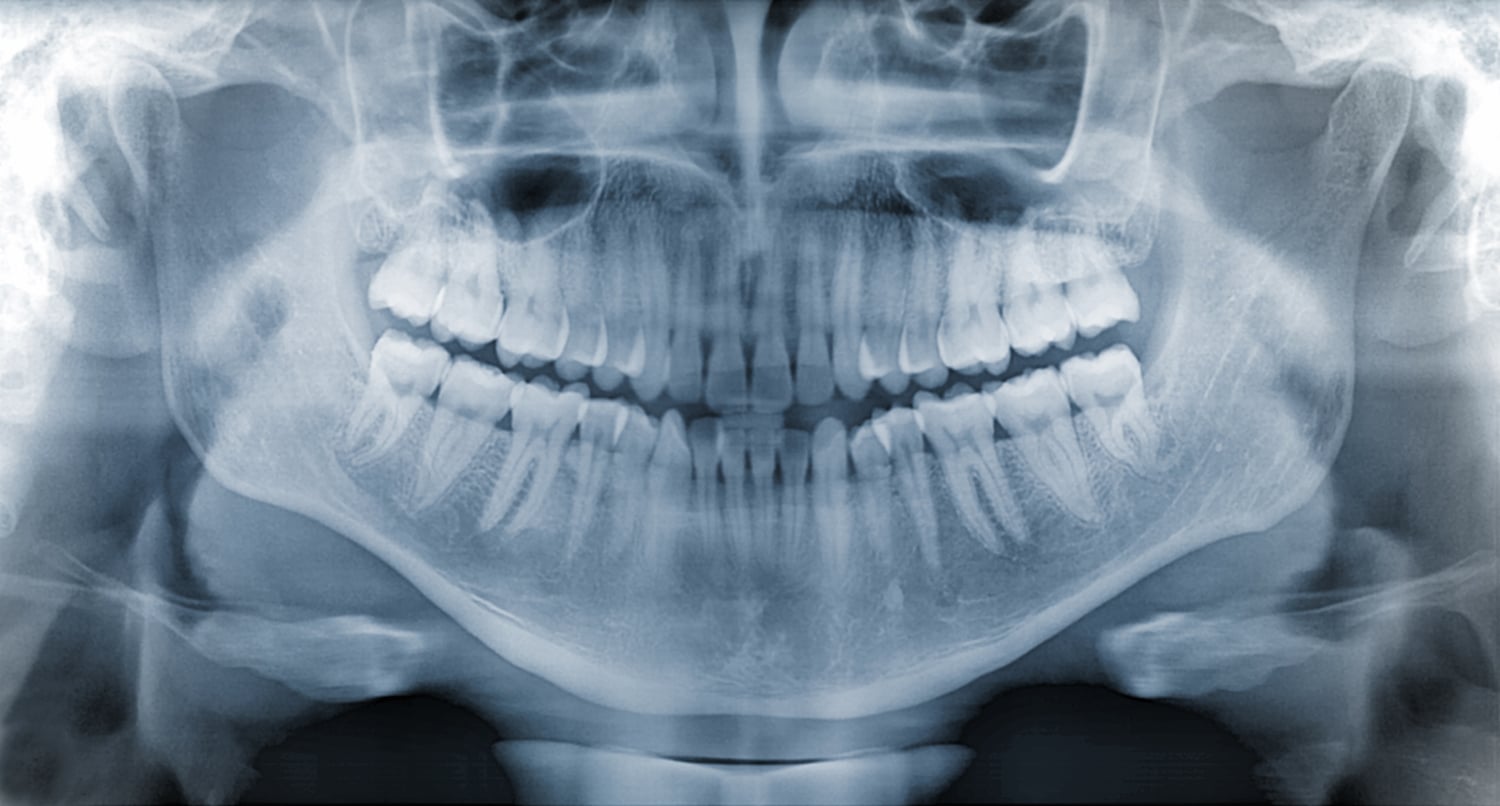
The pain that brings someone in for an emergency root canal is distinctive. It throbs with your heartbeat. It wakes you at 2 AM. It makes one entire side of your face feel like it is on fire. Over-the-counter painkillers take the edge off for an hour, maybe two, then it comes roaring back.
That pain means the nerve inside your tooth is inflamed or infected. A root canal removes that damaged nerve tissue, cleans the infection, and seals the tooth. The relief after treatment is often dramatic: patients describe it as going from agony to normal in the space of an appointment.
Call (954) 807-1840 right now. We perform emergency root canals seven days a week at our Fort Lauderdale clinic.
Signs You Need a Root Canal Urgently
- Severe, throbbing pain that does not go away, especially at night
- Sharp pain when biting down or chewing
- Prolonged sensitivity to hot or cold that lingers for minutes after the stimulus is removed
- Swelling or a pimple-like bump on the gum near the painful tooth
- Darkening of a tooth compared to its neighbors
- Pain that radiates to your ear, jaw, or temple
Any of these symptoms suggests the nerve tissue inside the tooth is either dying or already infected. Waiting makes it worse. Infection can spread to the bone and surrounding tissue, turning a treatable problem into a much larger one.
What Happens During an Emergency Root Canal
Step 1: Numbing. We apply local anesthetic thoroughly. The area around the tooth is completely numb before we begin. If you have dental anxiety, tell us. We will take extra time to make sure you are comfortable.
Step 2: Isolation. A small rubber dam is placed around the tooth. This keeps the area dry and prevents debris from falling into your throat.
Step 3: Access. We create a small opening in the top of the tooth to reach the pulp chamber, the hollow center where the nerve and blood vessels live.
Step 4: Cleaning the canals. Using specialized instruments, we remove the infected or damaged nerve tissue and clean the root canals thoroughly. This is where the infection lives, and removing it is what stops the pain.
Step 5: Shaping and disinfecting. The canals are shaped to accept a filling material and flushed with disinfectant to kill remaining bacteria.
Step 6: Filling. The cleaned canals are filled with a biocompatible material called gutta-percha and sealed. A temporary filling closes the opening.
Step 7: Crown planning. You will need a permanent crown to protect the tooth long-term. We will schedule this separately, usually within 2 to 4 weeks.
Does It Hurt?
This is the question everyone asks. The direct answer: the procedure itself is not painful for the overwhelming majority of patients. Modern anesthetics are highly effective. You will feel pressure and vibration, not pain.
Many patients are surprised to realize that getting the root canal actually hurts far less than the toothache that drove them to the clinic. The infection is what hurts. Removing it is what stops the pain.
After treatment, expect mild soreness for 2 to 3 days. Ibuprofen manages this well. If you experience severe pain after a root canal, call us because that is not typical.
Recovery
Most people return to work or normal activities the next day. Avoid chewing on the treated tooth until the permanent crown is placed. The temporary filling protects the tooth, but it is not as strong as the final restoration.
The Permanent Crown
A root canal saves the tooth's structure, but the tooth is now more fragile because it no longer has a living nerve and blood supply. A crown covers the entire tooth, protecting it from cracking. Skipping the crown is one of the most common mistakes patients make, and it often leads to losing the tooth entirely within a year or two.
Cost and Insurance
Root canals in Fort Lauderdale typically cost between $700 and $1,500. Front teeth are at the lower end; molars with multiple canals are at the higher end. The permanent crown is billed separately, usually $800 to $1,500. Most dental insurance plans cover a significant portion of root canal treatment.
Frequently Asked Questions
Is a root canal painful?
The procedure itself is not as painful as most people expect. The local anesthetic means you should feel pressure but not sharp pain. Most patients say the relief of having the infection removed is immediate. Soreness for 2 to 3 days afterward is normal and manageable with over-the-counter pain medication.
How long does an emergency root canal take?
Most root canals take 60 to 90 minutes. Complex cases involving back molars with multiple canals may take slightly longer. You will leave with a temporary filling, and we will schedule a follow-up for your permanent crown.
How much does an emergency root canal cost?
Root canals in Fort Lauderdale typically range from $700 to $1,500 depending on which tooth is involved. Front teeth are less expensive than molars. We accept most insurance plans, credit cards, and debit cards.
Do I need a crown after a root canal?
Almost always, yes. A root canal removes the living tissue inside your tooth, which makes it more brittle over time. A crown protects the tooth and allows you to chew normally. Without a crown, the tooth is at high risk of cracking.