History of Fort Lauderdale, Florida
Fort Lauderdale did not start as a beach resort. It started as a military outpost in a swamp during one of the longest and most costly wars the United States fought against Native Americans. From that rough beginning, it grew into a city known for canals, spring break, and eventually a world-class waterfront lifestyle.
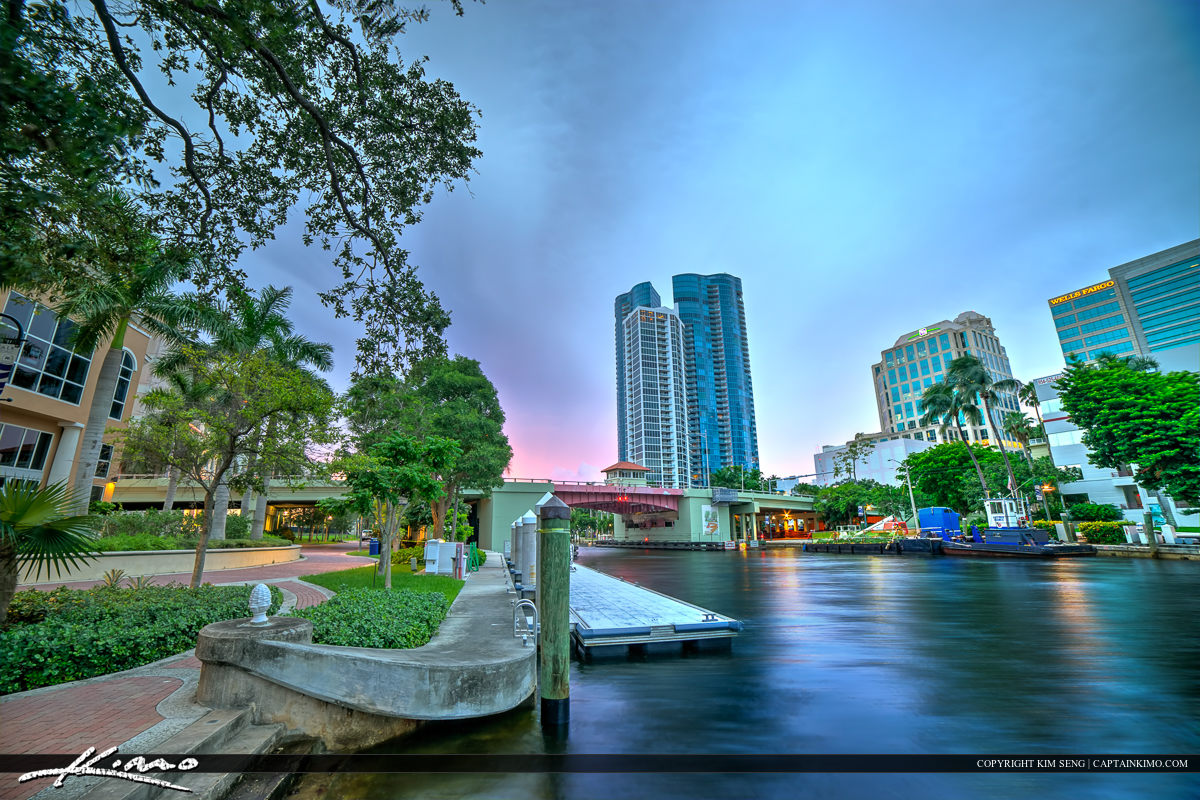
The Seminole Wars and the Fort (1838)
The city takes its name from a series of forts built along the New River during the Second Seminole War. Major William Lauderdale led a force of Tennessee Volunteers into the area in 1838, and the forts established during that campaign carried his name. The actual locations of the original fortifications are debated by historians, though most evidence points to sites along the north bank of the New River near what is now downtown.
The Seminole Wars lasted from 1817 to 1858 in various phases, and the fighting pushed most of the Seminole people deeper into the Everglades. After the wars ended, the forts were abandoned and the area returned to wilderness for decades.
Early Settlement and the New River
Permanent settlement did not begin until the 1890s. The New River, a short but deep freshwater river, attracted a handful of families who recognized the area's potential for farming and trade. Frank Stranahan arrived in 1893 to operate a ferry crossing on the New River, and his trading post became the commercial heart of the early settlement.
Stranahan traded with the Seminole people, buying hides, plumes, and other goods. His home, the Stranahan House, still stands today on the New River and is the oldest surviving structure in Broward County, operating as a museum.
Railroad, Incorporation, and Early Growth (1896 to 1920)
Henry Flagler extended his Florida East Coast Railway to the area in 1896, opening Fort Lauderdale to trade and migration. The railroad made it possible to ship crops north, and farming, particularly tomatoes, became the backbone of the local economy.
Fort Lauderdale was officially incorporated as a city on March 27, 1911, with a population of about 150 people. In those early years, the city was tiny, isolated, and surrounded by Everglades. Drainage projects begun by Governor Napoleon Bonaparte Broward (the county's namesake) gradually converted wetlands into usable land, opening the western reaches to development.
The 1920s Land Boom and Bust
Florida experienced one of the most dramatic real estate booms in American history during the 1920s, and Fort Lauderdale was no exception. Developers carved out neighborhoods, dredged canals from Everglades muck, and built waterfront homes faster than buyers could arrive. The canal system that gives Fort Lauderdale its "Venice of America" nickname dates to this era.
The boom collapsed in 1926 when a devastating hurricane struck South Florida, killing hundreds and destroying thousands of buildings. The Great Depression followed, and Fort Lauderdale's population growth slowed to a crawl for the next decade.
World War II and Military Influence
During World War II, the U.S. Navy established Fort Lauderdale Naval Air Station as a training base for torpedo bomber crews. The most famous incident associated with the base is the disappearance of Flight 19, five TBM Avenger torpedo bombers that vanished during a routine training mission on December 5, 1945. The flight's disappearance became one of the foundational stories of the Bermuda Triangle legend.
After the war, the base was converted to civilian use and eventually became Fort Lauderdale-Hollywood International Airport, still one of the busiest airports in Florida.
Spring Break Capital (1960s to 1980s)
The 1960 film "Where the Boys Are" put Fort Lauderdale on the map as a spring break destination. For the next two and a half decades, hundreds of thousands of college students descended on the city every March and April. The economic impact was significant, but so was the disruption. Riots, property damage, and arrests became annual events.
By the mid-1980s, the city decided it had had enough. A series of ordinances and enforcement actions effectively pushed spring break crowds to other destinations, mainly Panama City Beach and South Padre Island. The move was controversial at the time but is now seen as a turning point that allowed Fort Lauderdale to reinvent itself.
Modern Fort Lauderdale (1990s to Present)
Since the 1990s, Fort Lauderdale has undergone a dramatic transformation. The beachfront was redesigned with wider promenades, better landscaping, and upscale restaurants replacing the old t-shirt shops and bars. Downtown Fort Lauderdale added high-rise condos, cultural venues, and office towers along the river.
The Brightline (now Virgin Trains USA) high-speed rail station opened in downtown Fort Lauderdale in 2018, connecting the city to Miami, West Palm Beach, and eventually Orlando. The city has also invested heavily in the Riverwalk, parks, and public transit to reduce car dependency.
Today, Fort Lauderdale has a population of roughly 183,000 and continues to grow. The marine industry remains a major economic driver, with Port Everglades serving as one of the busiest cruise ports in the world and the International Boat Show drawing global attention every year.
Dental Care in Fort Lauderdale, Then and Now
Fort Lauderdale has come a long way from its days as a frontier outpost. Today, residents and visitors have access to modern medical and dental care that the early settlers could not have imagined. At Emergency Dentist of Fort Lauderdale, we provide urgent dental treatment 7 days a week at our office on 330 SW 13th St, Fort Lauderdale, FL 33315. If you are dealing with a toothache, broken tooth, or dental infection, call (954) 807-1840 for a same-day appointment.
Call (954) 807-1840 Now
We're open 7 days a week, 8:30 AM to 6:00 PM. Walk-ins welcome.
Call (954) 807-1840