Emergency Root Canal: What to Expect Before, During and After
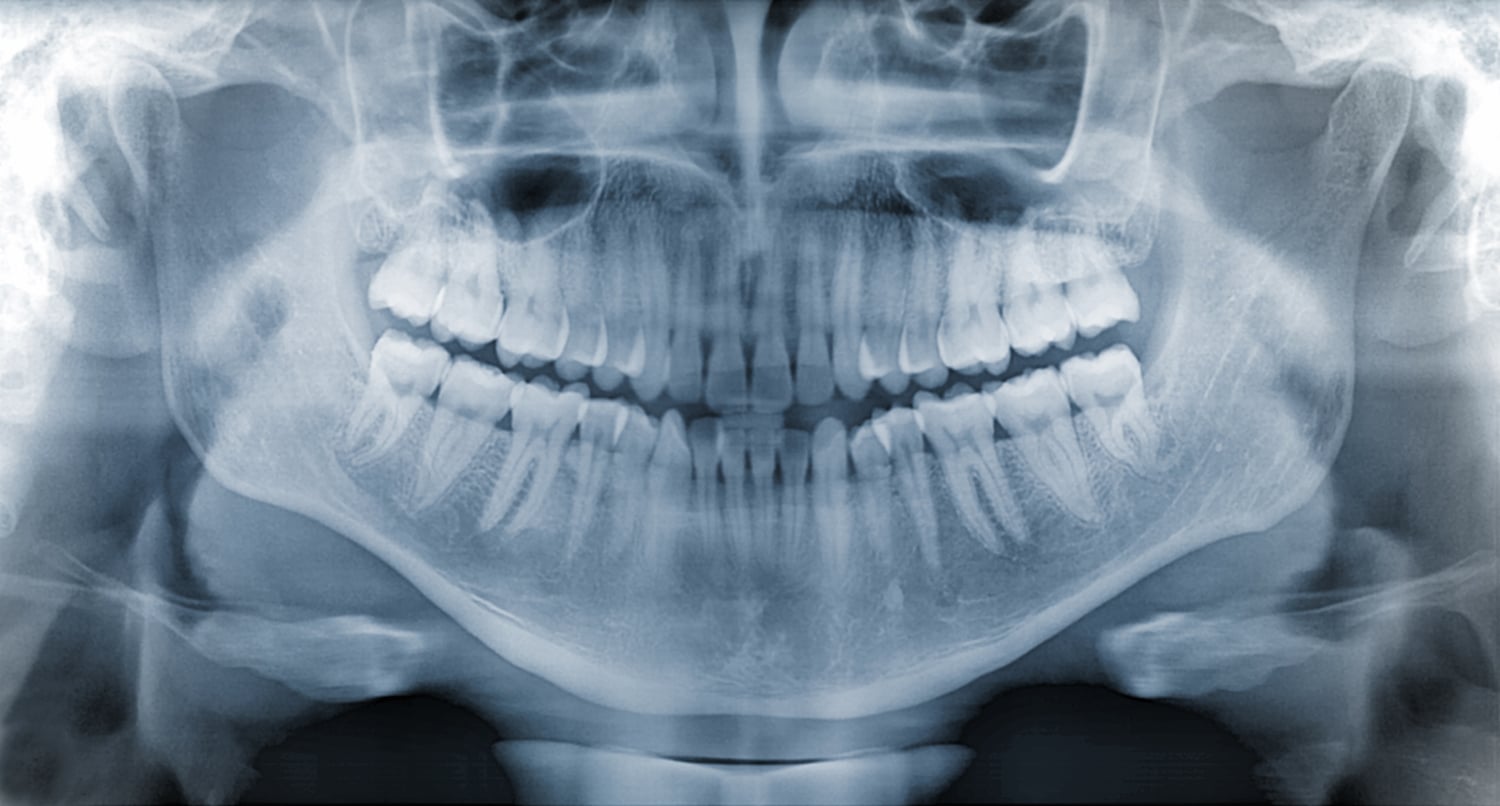
"Root canal" is one of those phrases that makes people wince. But the reality of modern root canal treatment is far less dramatic than its reputation. If you have been told you need one urgently, here is exactly what happens at each stage, with no sugarcoating and no unnecessary drama.
Signs You Need a Root Canal Urgently
The nerve inside your tooth (the pulp) is either dying or already dead and infected. Signs:
- Severe toothache that does not respond well to ibuprofen
- Pain that throbs and worsens at night when you lie down
- Prolonged sensitivity to hot drinks or food (more than 30 seconds of lingering pain)
- A dark or discolored tooth
- Swelling or a pimple-like bump (fistula) on the gum near the tooth
- Pain radiating to your ear, temple, or jaw
If you have several of these symptoms, you almost certainly need a root canal. The longer you wait, the worse the infection gets and the more complex (and expensive) the treatment becomes. Full service details: Emergency Root Canal in Fort Lauderdale.
Before: What to Do and What to Bring
When you call: Tell us how long the pain has been going on, where it is, whether there is swelling, and whether you have taken any medication. This helps us prepare the right setup before you arrive.
What to bring: Photo ID, insurance card (if you have one), a list of medications you take, and someone to drive you if you prefer (though you can drive yourself; root canals use local anesthetic, not sedation).
Before the appointment: Take 400 to 600mg of ibuprofen about an hour before your appointment if you can. This reduces inflammation and helps the anesthetic work more effectively. Do not take aspirin.
During: Step by Step
1. Numbing (5 to 10 minutes). Local anesthetic is injected around the tooth. You will feel a pinch, then spreading numbness. We wait until you are completely numb before proceeding. If you are nervous, tell us. We have plenty of patience.
2. Isolation (2 minutes). A rubber dam (a small sheet) is placed around the tooth to keep it dry and prevent debris from entering your throat.
3. Access (5 minutes). A small opening is drilled into the top of the tooth. This is the entry point to the pulp chamber and root canals.
4. Cleaning (20 to 30 minutes). Tiny, flexible instruments are inserted into each canal to remove the infected or dead nerve tissue. The canals are flushed with a disinfecting solution. This is the core of the procedure and the part that eliminates the source of your pain.
5. Shaping (10 minutes). The canals are shaped to accept the filling material. More flushing with disinfectant.
6. Filling (10 minutes). A rubber-like material called gutta-percha is placed into each canal and sealed. A temporary filling closes the access hole.
Total chair time: 60 to 90 minutes for most teeth. Molars with multiple canals may take slightly longer.
Does It Hurt?
The honest answer: less than you expect. The anesthetic does its job. You feel pressure, vibration, and occasional minor discomfort, but not the sharp pain people fear. Most patients tell us afterward that the toothache before the root canal was far worse than the procedure itself.
After: What Is Normal and What Is Not
Normal for 2 to 3 days: Mild to moderate soreness in the treated tooth, especially when biting. This is inflammation from the procedure, not a sign of failure. Ibuprofen handles it well.
Normal for 2 to 4 hours: Numbness from the anesthetic. Avoid eating until feeling returns so you do not bite your cheek or tongue.
Not normal: Severe pain that worsens instead of improving after 48 hours, significant swelling, fever, or the temporary filling falling out. Call us at (954) 807-1840 if any of these occur.
Recovery Timeline
- Day 1: Soreness when biting. Ibuprofen as needed. Soft food.
- Days 2 to 3: Soreness gradually decreasing. Most people feel close to normal.
- Day 4 onward: Most patients report no pain. The tooth feels normal.
The Permanent Crown: Why It Matters
A root canal removes the tooth's blood supply and nerve, making it more brittle over time. A crown covers and protects the entire tooth, allowing you to chew normally without risk of fracture. Schedule the crown within 2 to 4 weeks of the root canal. Skipping or delaying the crown is the most common reason root-canal-treated teeth are eventually lost.
Frequently Asked Questions
How do I know I need an emergency root canal?
Signs include severe, constant toothache that throbs with your heartbeat; prolonged sensitivity to hot that lingers after the stimulus is gone; swelling or a bump on the gum near the painful tooth; and pain that wakes you at night. These suggest the nerve is dying or infected.
Can I drive home after a root canal?
Yes. Root canals use local anesthetic, not sedation. Your mouth will be numb for 2 to 4 hours, but you are fully alert and able to drive safely.
What should I eat after a root canal?
Stick to soft foods for the first 24 to 48 hours: yogurt, mashed potatoes, smoothies, pasta. Avoid chewing on the treated side until the permanent crown is placed. Hot drinks are fine once the numbing wears off.